This post contains affiliate links. If you buy through them, Blaq Vixen Beauty may earn a small commission at no extra cost to you.
Booked Out: The Directory That Found the Chairs
By LA Campbell
This morning, Dr. Diamond Cunningham posted her receipts, and they read like a harvest report. Ten thousand TikTok followers. An interview with the New York Times. A feature in Beauty Independent. Stylists booked out for months — including some whose books were emptier before. And underneath the numbers, the line that explains all of them: folks with textured hair, feeling seen in corporate salon spaces.
“This is what happens,” she wrote, “when a researcher builds for her community.”
Here is what she built, and why it matters to every woman who has ever sat down in a chair and prayed.
The question that started it
Dr. Cunningham — Dr. D — is a public health researcher, PhD and MPH, who now works the beauty-equity beat: textured-hair training in cosmetology schools, how brands market to Black women, the products we actually use. Earlier this fall she posted a TikTok asking Black women about their experiences getting their hair done at Ulta Beauty. It went viral — over a million views — and the comments filled with before-and-after photos and one question asked over and over: where is she located, and how do I book her?
The directory
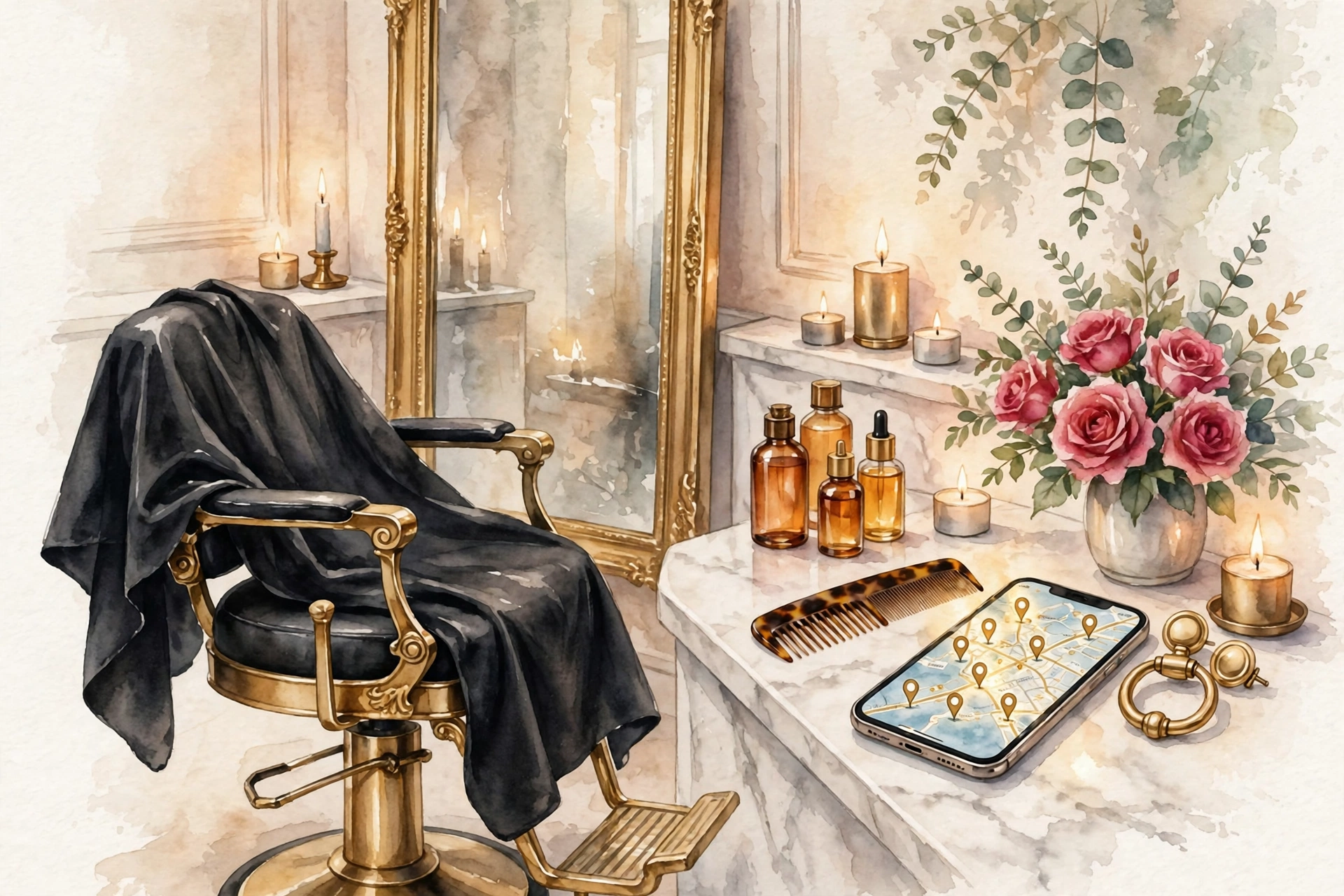
Dr. D’s directory began as a list of ten Black stylists working in Ulta salons. It is now a free, searchable web app — look up your state, find a stylist, check her work, book her — carrying more than 230 Black Ulta stylists at its first big count and around 300 in the latest reporting. It has since grown into Dr. D’s Textured Hair Directory, widened to stylists recommended for textured-hair work, because the need turned out to be bigger than one chain.
Two facts about it deserve to be said plainly, because they are the whole story. The directory is independently created and maintained by Dr. D herself — it is not an Ulta product, not sponsored by Ulta, not affiliated with Ulta; her own site says so, and she keeps it running on community contributions that start at five dollars. And the stylists in it are licensed Black professionals whose chairs happen to sit inside a corporate store. The glamour was always in the chairs. What was missing was the map.
Why it landed
It would be easy to read this as a story about price, and the New York Times — which asked, in its November 4 headline, whether a corporate chain can be a great Black hair salon — heard the women it interviewed say otherwise: it was never only about the price. It was about competence and courtesy. About booking without a hundred rules. About not arriving washed, blown out, and pre-detangled for the privilege of paying a deposit. About a stylist who looks at your hair and sees hair she knows, not a problem she has to price.
The record holds the counterweight, too, and this post will not pretend otherwise. This spring, a New York mother sued Ulta after an employee reportedly told her and her daughter their assigned stylist was “not comfortable” doing their type of hair — inside the very chain now having its moment. And Beauty Independent’s reporting shows the moment had years of labor behind it: Ulta brought in stylist and educator Pekela Riley back in 2018 to build its textured-hair curriculum and recruit Black stylists. The directory didn’t create the chairs. It made them findable — which, for a woman searching by state at midnight, is the same miracle wearing work clothes.
The honest tension
There is a real argument running underneath the celebration, and it belongs in the record. Some independent Black stylists hear “booked out at Ulta” as money leaving Black-owned shops for a corporation that will never be one — this site’s own gift guide exists to keep Black women’s houses standing, so the concern is not foreign here. Others answer that the directory points women to Black stylists, and that a licensed sister building her book inside a chain is still a sister building her book. At least one independent Harlem salon owner told the Times she is not treating any of it as a threat.
The directory doesn’t settle that argument, and neither will I. What it settles is narrower and, for the woman in the search bar, decisive: who near me can do my hair, and how do I reach her? Black women have answered that question for each other forever — across salon walls, church pews, and group chats. Tiffany Gill wrote the history of it in Beauty Shop Politics: the shop was always infrastructure, always a network wearing a storefront. Dr. D has simply given the network a search field.
The receipts, again
Booked out for months. Books that were emptier, full. A researcher with a health-equity degree, building for her community at five dollars a contribution, unaffiliated and unbought.
The altar keeps a simple doctrine about glamour: it is, among its other offices, the art of being recognized — seen accurately, by the right eyes, at the right moment. A directory is that doctrine rendered as a spreadsheet and a search bar. Somewhere tonight a woman will type in her state, find a chair where her hair is not an exception, and book it. That is not a small thing. That is the whole thing, with an appointment time.
You can search the directory yourself: Dr. D’s Textured Hair Directory. And if your stylist belongs in it, you know what to do.
Stay true to the vixen in you. — Lakish
From the Altar’s Bookshelf
- Tiffany M. Gill, Beauty Shop Politics: African American Women’s Activism in the Beauty Industry (University of Illinois Press, 2010).
As an Amazon Associate, Blaq Vixen Beauty earns from qualifying purchases.